


Experience Type: Pre-Approved Experience
Competency: Leadership
Duration: August 10–16, 2025 | San Francisco Bay Area
Overview
The NEXT Innovation Scholars (NIS) Sandbox is a selective end-of-summer leadership immersion in San Francisco designed to prepare incoming student leads for the fall semester. Over one week, a small cohort of NIS student leaders toured organizations at the forefront of design and innovation, including Google, IDEO, Jump Associates, the Stanford Knight-Hennessy Scholars program, and the Institute for the Future, while participating in structured leadership training, futures-thinking exercises, and nightly reflection.
The experience reshaped how I think about leadership and my own capacity for it. I arrived describing myself as an introvert who can "turn on" when needed. By the end of the week, I realized that framing was limiting.
Surrounded by designers, futurists, and educators who led through curiosity and generosity rather than authority, I found myself fully engaged, asking questions, absorbing perspectives, and connecting ideas across every session. As a Global Citizen Scholar, this experience showed me that leadership begins with the willingness to be changed by the people and places you encounter.
What is the Sandbox?
Over the course of a week in August 2025, I traveled with a small group of NEXT Innovation Scholars to the San Francisco Bay Area for the program's annual Sandbox leadership training. The name "Sandbox" comes from the idea of being dropped into unfamiliar creative environments to play, experiment, and build new instincts before returning to lead. The whole point of the trip was to come back to NIS in the fall feeling inspired and prepared, having been exposed to leadership training through our connections in the Bay Area.
NIS is one of only three undergraduate programs in the United States with a dedicated futures research and strategic foresight practice, so the trip carried weight beyond personal development. It was about sharpening the tools of a program that operates at a level most undergrad programs never touch.
Day 1: Arrival + Settling In
Our cohort flew out of CVG together: myself, Arya Garg, Caroline Berger, Haley Potter, Miami Celentana, and Rosheeta Shah, with Aaron Bradley and Sydney Mauk leading the trip. We landed at SFO in the late afternoon. The energy was already high.
Day 2: Google Sustainability Tour + Group Hike
Monday morning we drove to Mountain View for a tour of Google's Bay View campus led by Robin Bass, who walked us through the sustainability design decisions embedded in the architecture. What struck me most was not the scale of Google's operation but the intentionality behind it. Robin spoke about how their design team approached the campus as a living system, not a static building. The green roofs, the geothermal systems, the way natural light was engineered into every workspace. It was a masterclass in how design decisions at the systems level ripple into the daily experience of the people inside them. I found myself taking notes not just on the sustainability tech but on how Robin communicated complex ideas with clarity and conviction. That is a leadership skill.
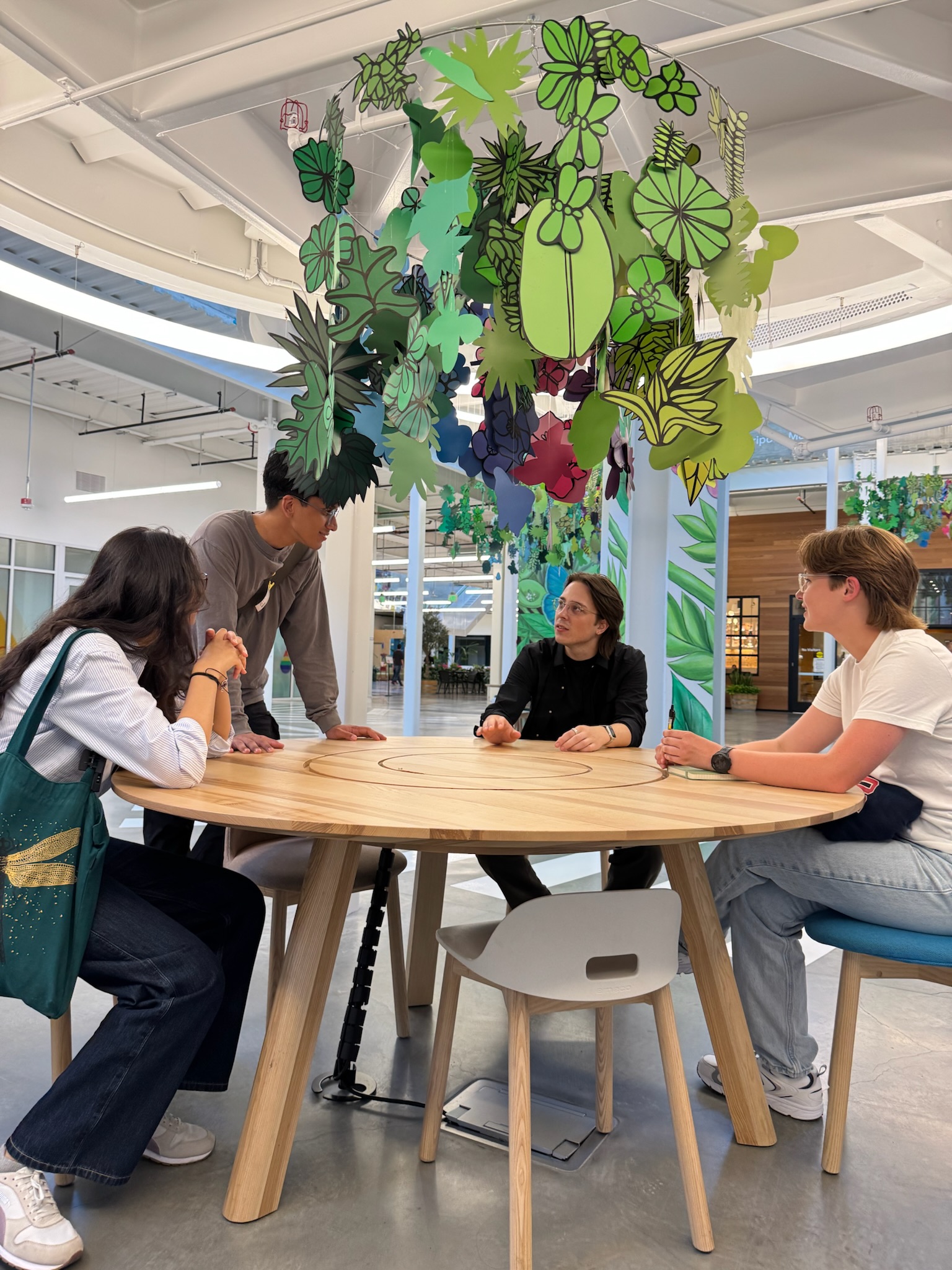
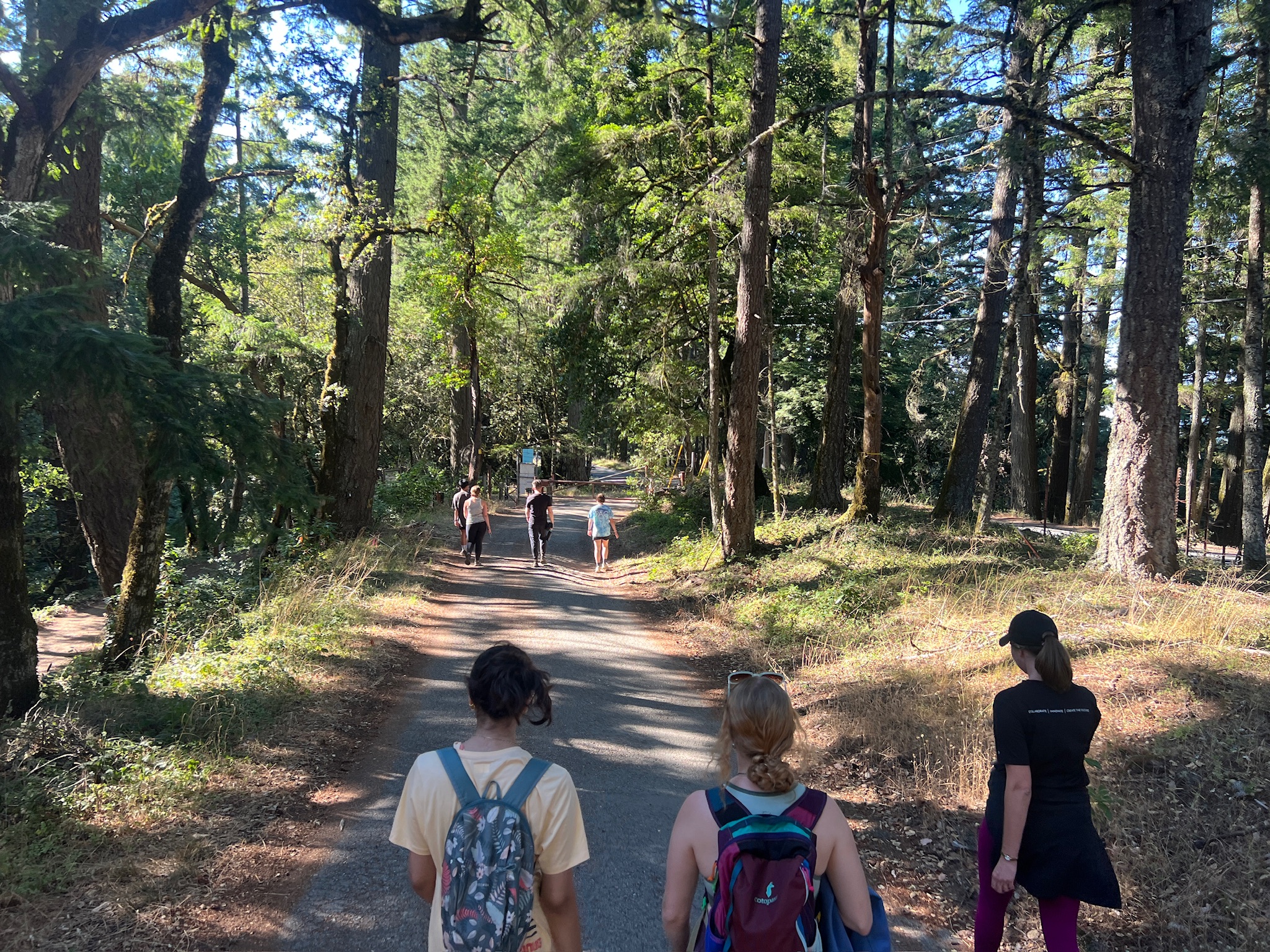
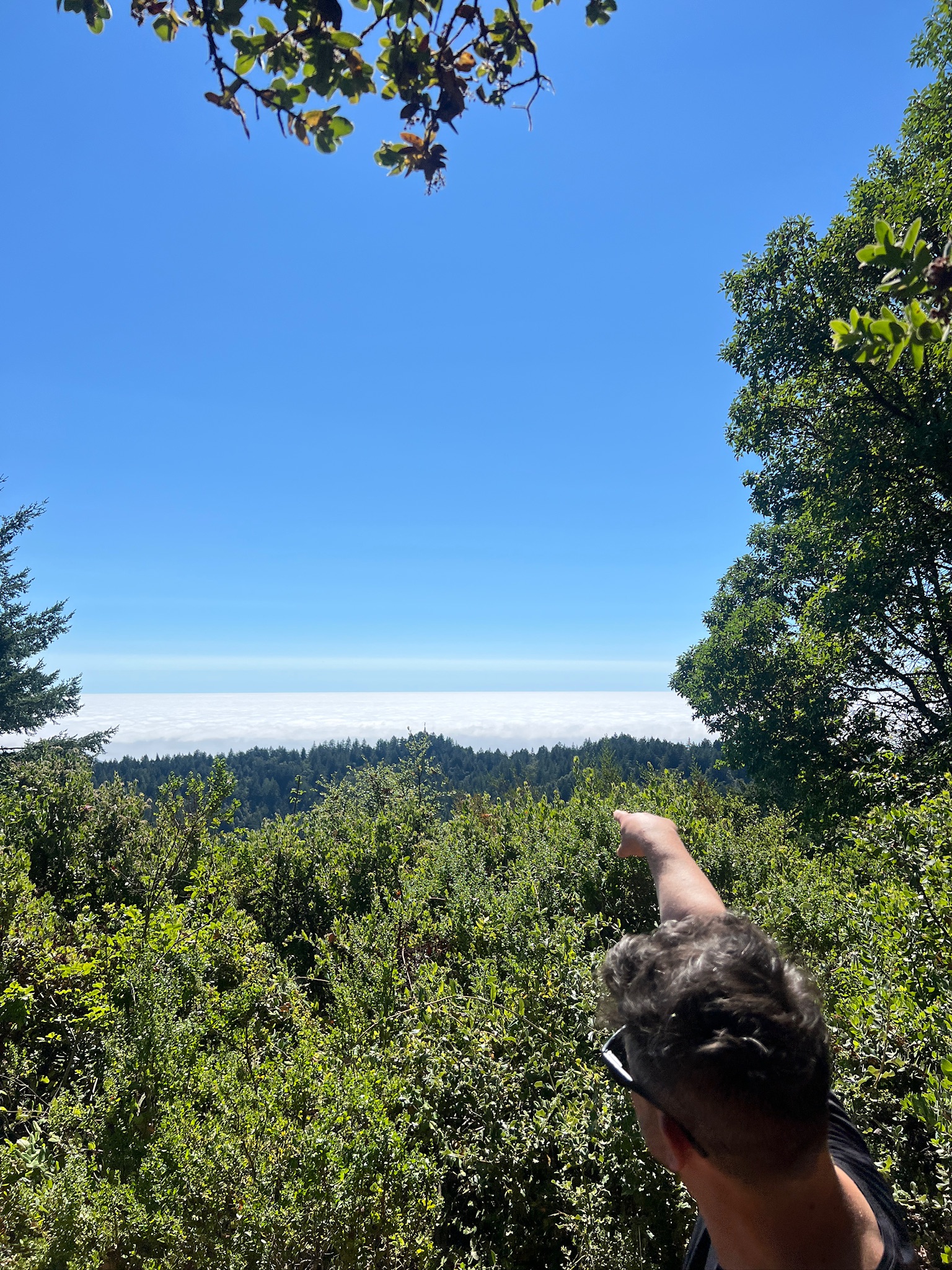
In the afternoon, we swapped smart casual for hiking clothes and hit the trails together. After a morning of structured learning, the hike gave us space to decompress and bond as a group. Conversations flowed differently on a trail than they do in a conference room. We talked about our ambitions, our doubts, and what we were hoping to take away from the week. That evening we had dinner at Bucks Woodside, a legendary Silicon Valley spot filled with eccentric art and startup lore.

Day 3: IDEO Studio Visit + Jump Associates Chat
Tuesday was the day I had been looking forward to most. We visited IDEO's San Francisco studio on Florida Street, led by Dennis Boyle, one of the firm's original founding members and a legend in the product design world. Walking through IDEO felt like stepping into the origin story of human-centered design. Dennis showed us prototypes, told stories about the early days of design thinking, and talked candidly about what makes creative teams work. His philosophy was disarmingly simple: build things, learn fast, and never let hierarchy kill a good idea. I was struck by how humble he was for someone with that pedigree. He treated our questions like they mattered, and that generosity stuck with me.
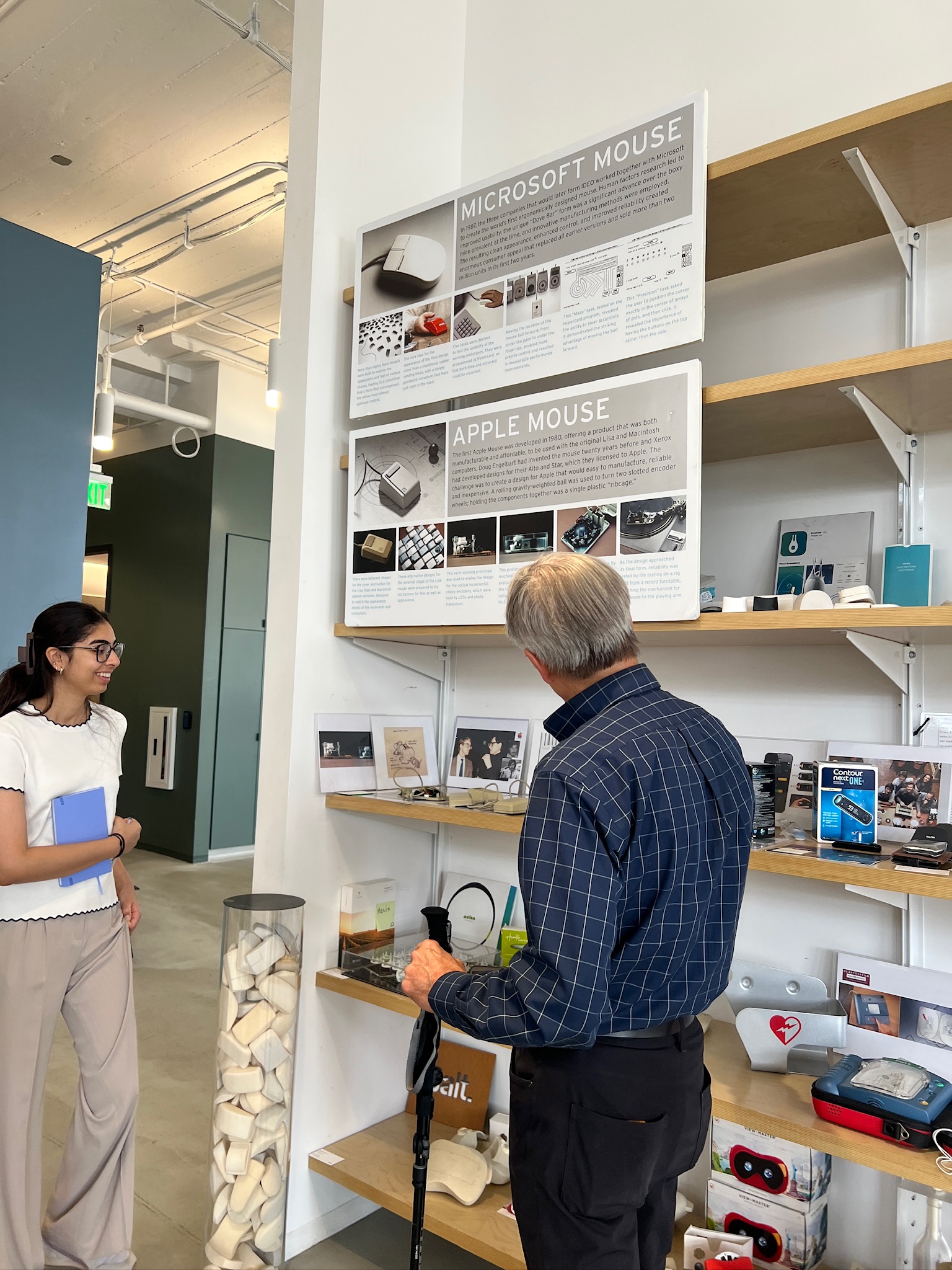
NIS has built direct relationships with people like Dennis and even the creator of Siri, and being in the room with them made it clear that the program's network is not hypothetical. It is real, and it opens doors that would be impossible to find on your own.

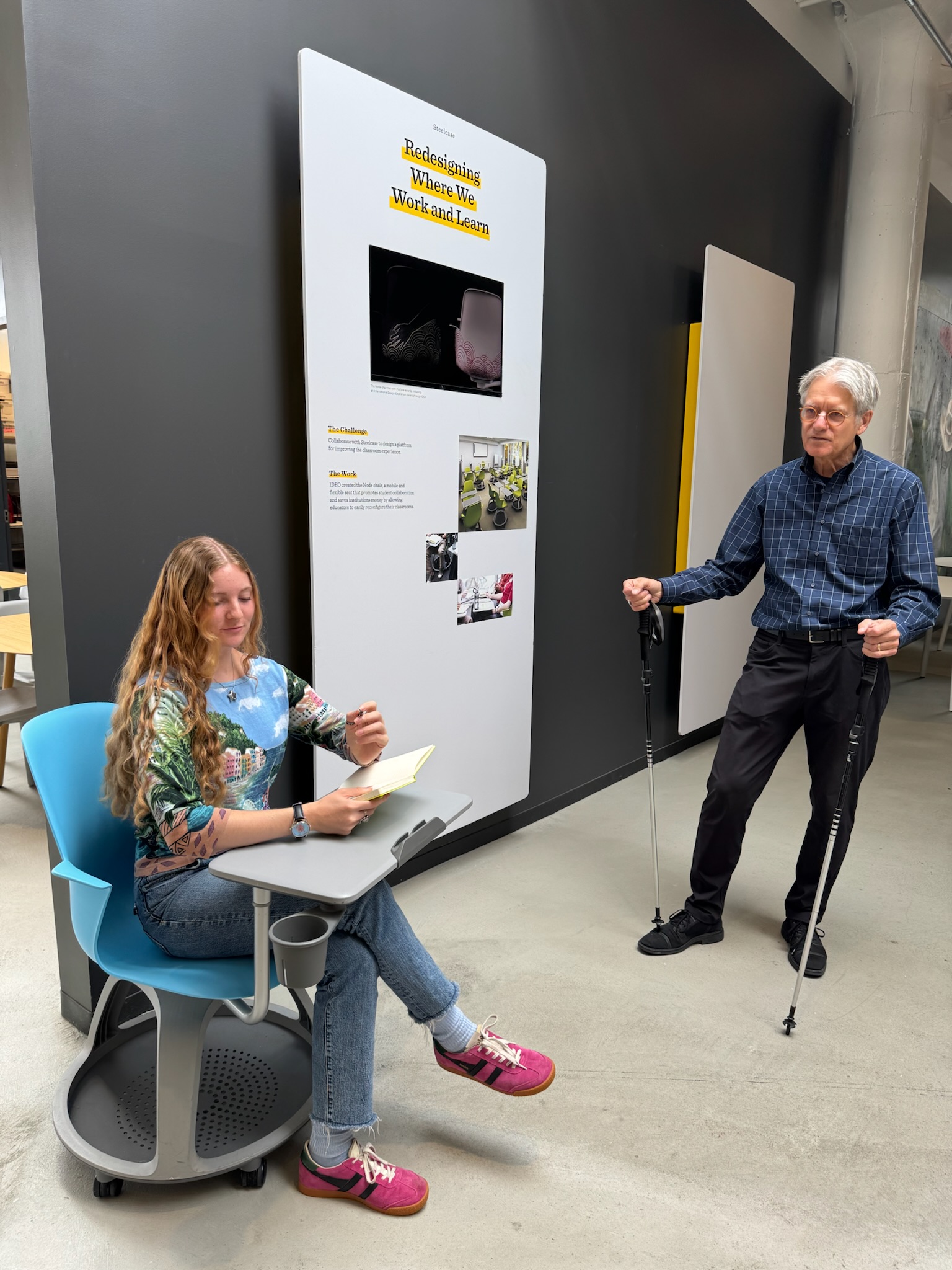
After lunch, we visited the Palace of Fine Arts, walked up and down some hills, then regrouped at the trip leaders' Airbnb for an evening talk with Jump Associates. The Jump session was a preview of what was to come the next day: a teaser on strategic foresight and how they help organizations think about what comes next.
Day 4: Jump Associates Training + Whipsaw Event
Wednesday was the most intensive day of the trip. We spent the morning at Jump Associates' office in San Mateo for a half-day leadership and strategic foresight training. Jump's approach is built around the idea that the best leaders do not predict the future. They prepare their organizations to be nimble enough to respond to multiple possible futures. The training exercises pushed us to think beyond our comfort zones, synthesizing weak signals into strategic narratives. It was intellectually demanding in a way that felt genuinely new. I left the session thinking about how the same skills apply to leading a student team: you cannot control what happens, but you can build a culture that adapts.


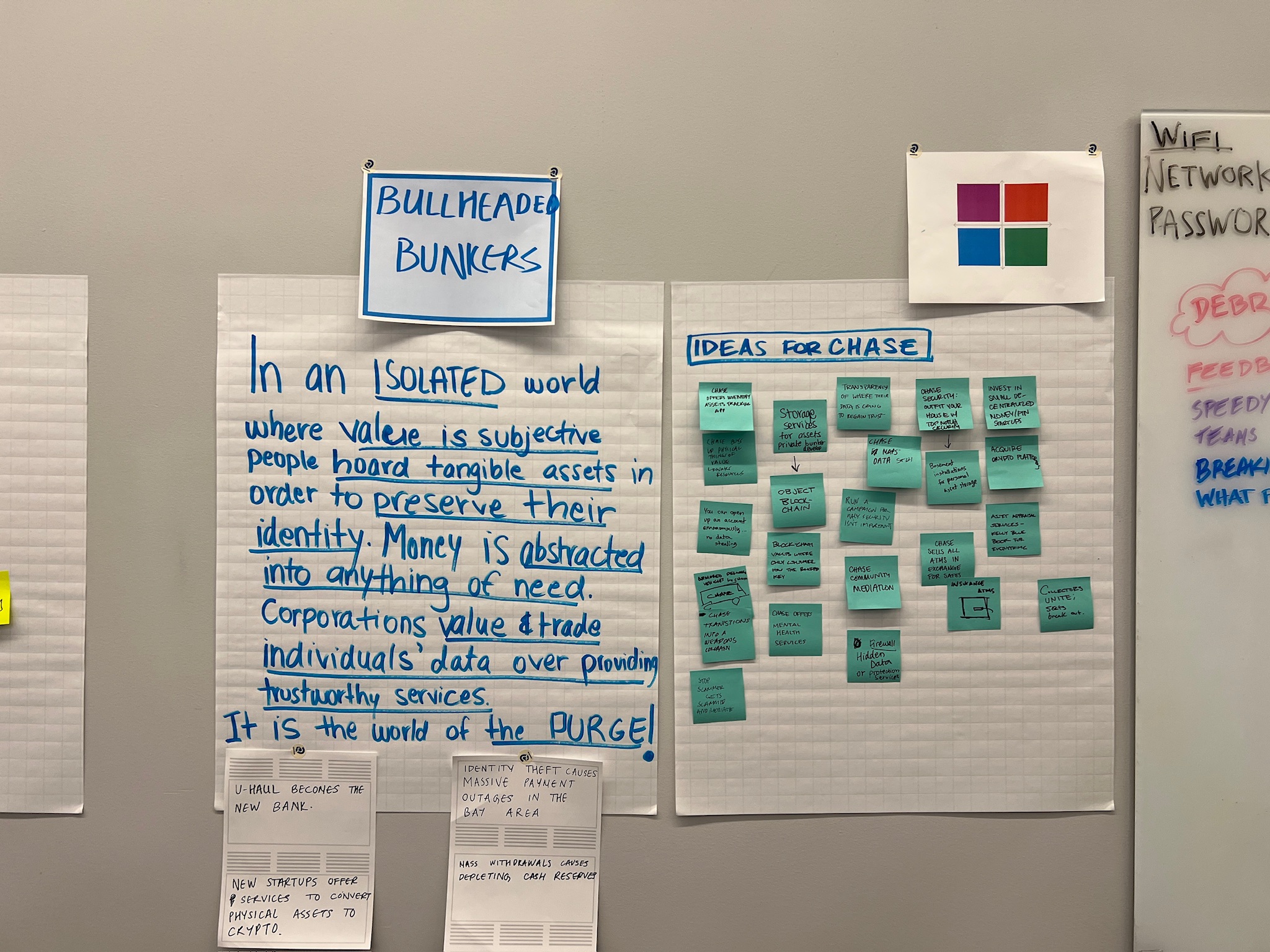
That evening, we helped set up and attended the "Friends of NIS" event at Whipsaw, an industrial design studio in San Francisco. This was our most formal engagement of the week, and it was bigger than I expected. The audience included VPs and senior innovators from Fortune 500 companies, Bay Area designers, and UC alumni.
Some attendees had been invited not by Aaron or Sydney, but by their own colleagues and clients, with a message to come connect with NIS students. That detail floored me.
The extrovert switch was fully on. We presented examples of NIS's commissioned projects for globally recognized brands and made the case for what the program is building.
I gave a short four-minute speech representing not only NIS but the UC co-op program, speaking to the benefits of experience-based learning. I cited my co-op at HUGE Design, a studio just around the corner in San Francisco, and how no other industrial design program would have given me the time to dedicate four months to such a valuable opportunity.
Day 5: Stanford Knight-Hennessy Tour+ Institute for the Future
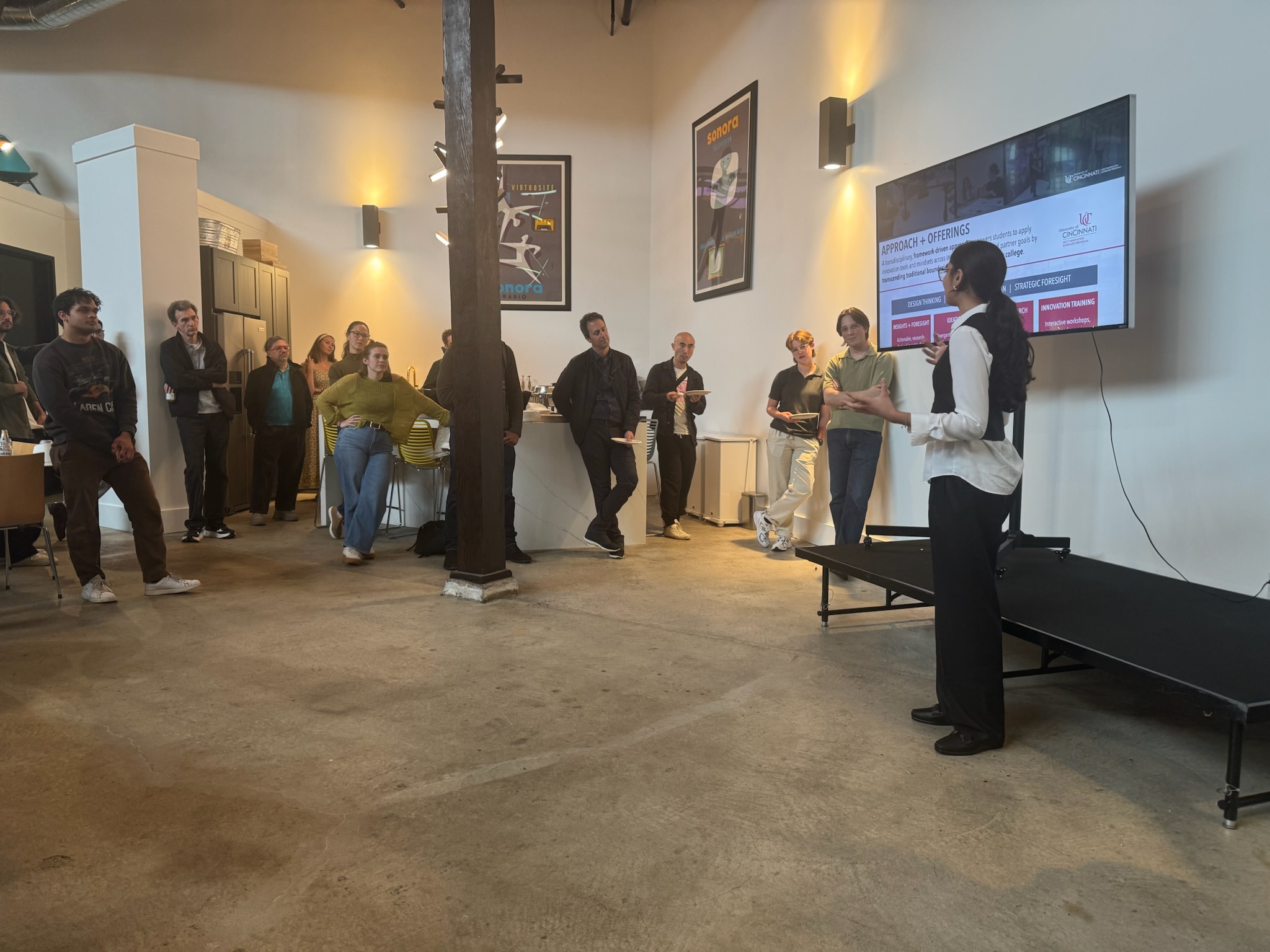
Thursday morning we drove to Stanford to meet with the Knight-Hennessy Scholars program at Denning House. Knight-Hennessy is Stanford's full-ride premier graduate fellowship, and the visit was designed to expose us to what graduate-level leadership development looks like at scale.
Walking through Stanford's campus, sitting in the spaces where these scholars live and work, something shifted in me. I had never seriously considered a graduate degree before this trip. My plan had always been linear: finish DAAP, start working. But seeing Knight-Hennessy up close planted the thought: what if there is another phase? Not as a detour, but as an expansion... Also, "what if it was free?". The "what if" feeling stayed with me for the rest of the trip.

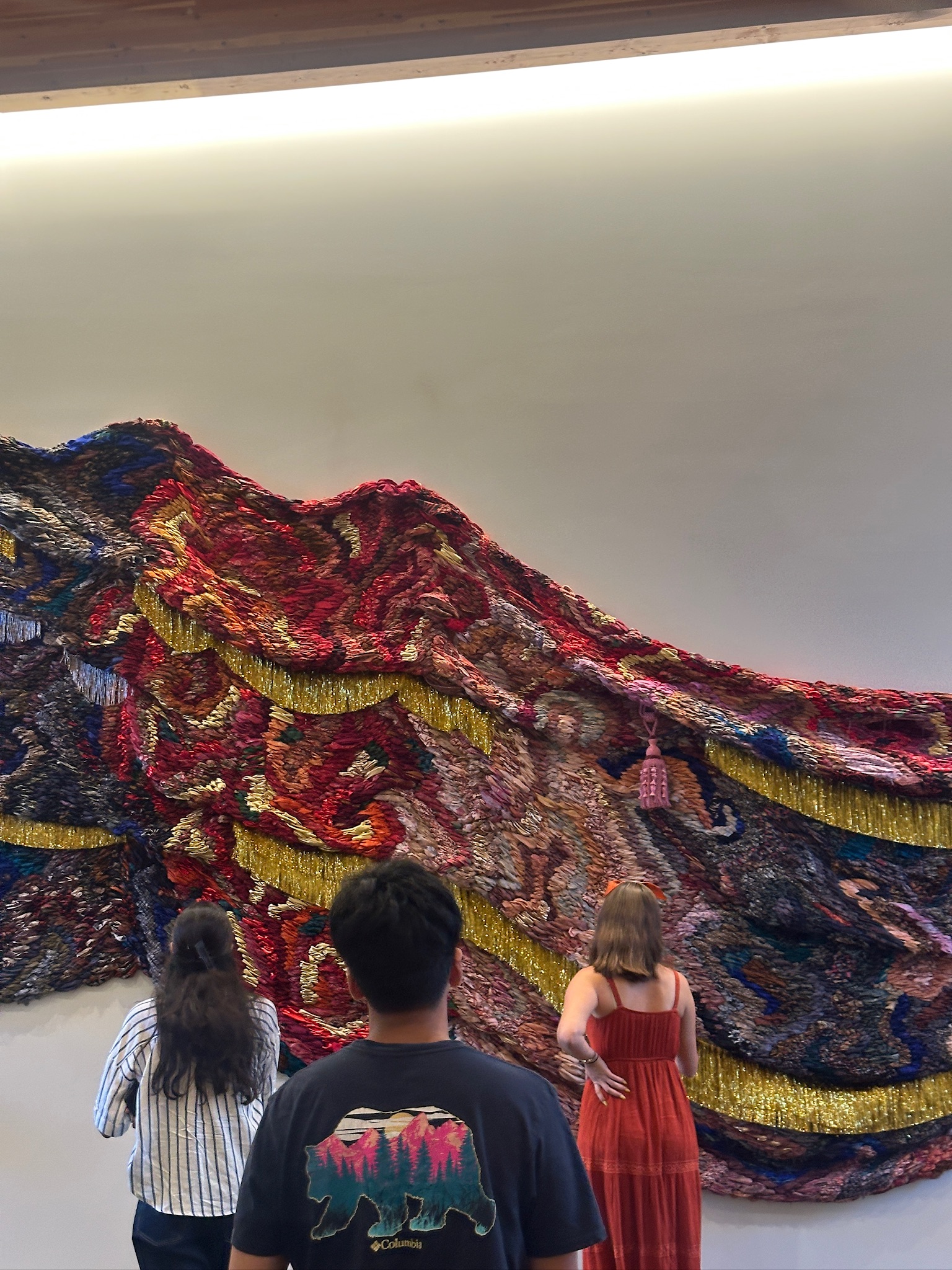
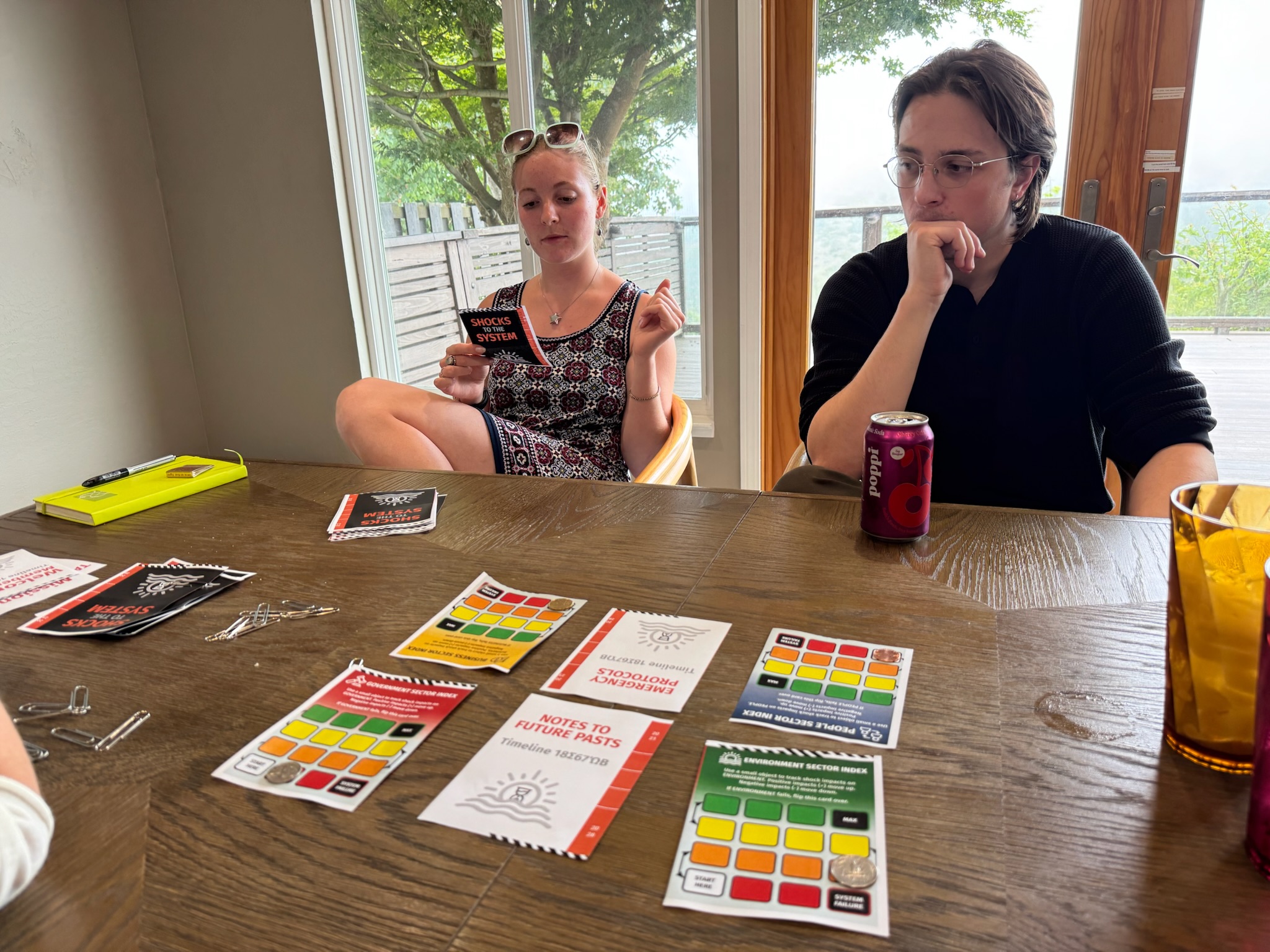
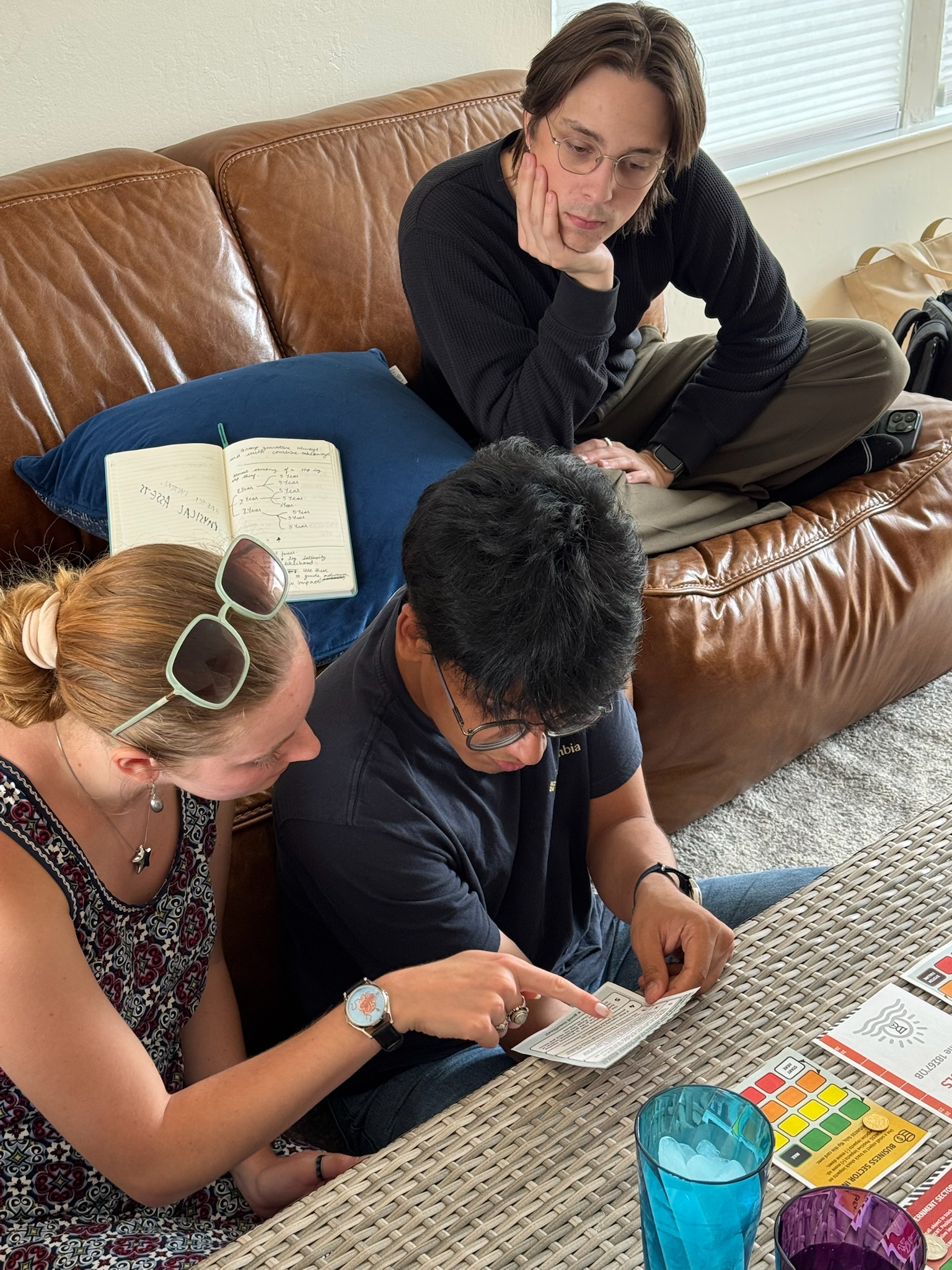
In the afternoon, we returned to the leaders' Airbnb for a futures simulation workshop called "Shocks to the System" led by Lauren Meadow of the Institute for the Future. Lauren had us work through a card-based scenario exercise where we responded to cascading disruptions across social, technological, and environmental systems.
It was less about getting the "right" answer and more about practicing the mental flexibility to hold multiple possibilities at once. The exercise reinforced a theme that had been building all week: the best leaders do not try to control what happens next, but they build the capacity to respond.
Day 6: NIS Retreat + Beach Reflection
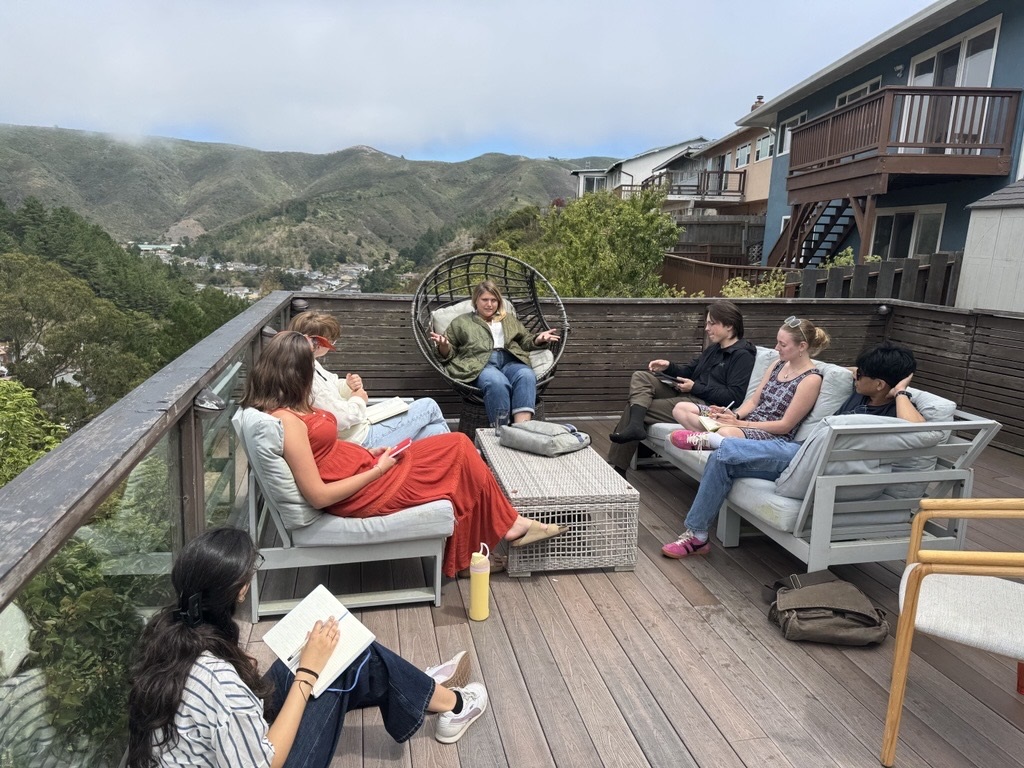
Friday was our formal NIS retreat day. We convened as a group to debrief the week, discuss the fall semester ahead, and begin planning how we would lead our respective project teams. Aaron Bradley and Sydney Mauk, our NIS faculty leaders, had been threading leadership conversations through the entire trip, whether over dinner, in the car between stops, or during quiet moments at the Airbnb. On Friday, those threads came together.
Ultimately, the whole point of the Sandbox trip started to become clear; We sat for about two hours to discuss the future of the NIS program. Things that could be improved, things that are working really well, and essentially where we want to be as a cohort based program in 1, 5 and even 10 years...
With this, I got a hint at my fall semester project that I would lead: The Signals Shareout. This involved expanding the program's reach to a more global audience. With this, I introduced the group to Substack, which was just starting to gain mainstream popularity at that time. I proposed that NIS use Substack as a centrilized way to share our work, messaging, and overall mission on a more casual and consumable level.
Almost a year later, this idea with help from the rest of the team has evolved into the Foresight Lab. My fall project included leading a smaller group of NIS students scattered around the world (while on co-op, travel, study abroad etc), focusing on gathering "signals of the future"; The scope of our project was to analyze current events reporting and news, but to tie it into a foresight context with multiple sources culminating to a single "signal".
Looking back, it's incredible how much time and effort has gone into turning this seed of an idea, hatched on a back porch in the Bay, into something that now reaches designers, researchers, and thought leaders across the globe.
The moment that defined the trip for me came at the end of the day.
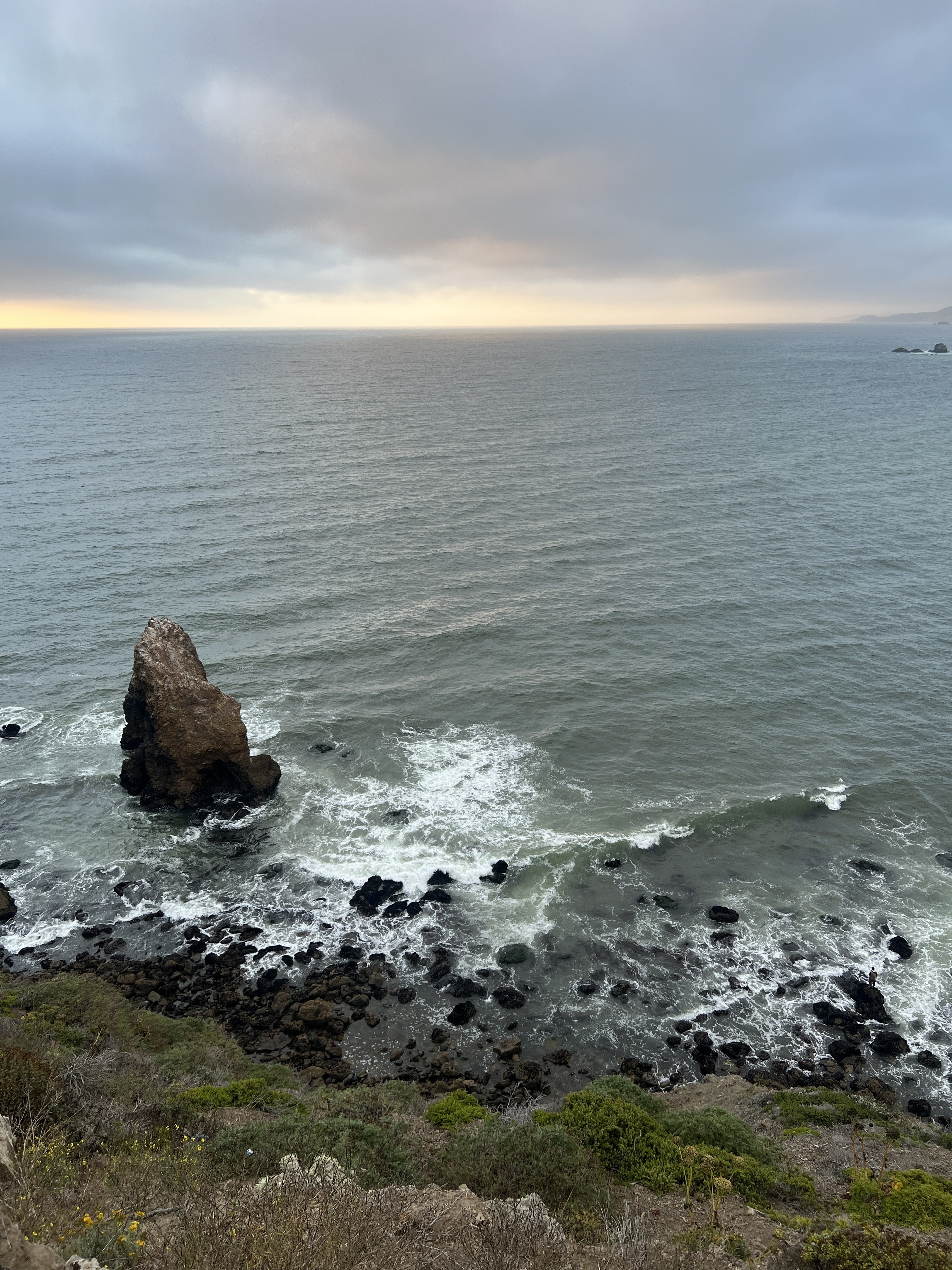
Aaron told us to find a spot on a beach overlook along the coastal highway and to journal for an hour about the trip, what would come next, and whatever was on our minds.
I sat by myself and listened to the waves crash for about twenty minutes. I did not write anything at first. I just let the noise of the week settle. Then, for the remaining forty minutes, I wrote about my future as a designer. I
found myself thinking not just about what I would make, but about how I would contribute. About how the most meaningful thing I could design might be a learning experience, not a product. I thought about IDEO's culture of teaching through making. I thought about the way Aaron and Sydney led our group that week. And for the first time, a graduate degree felt not like a distant abstraction but like a real possibility on my horizon. Since this trip, I have sort of put a 3-5 year deadline on myself to do something about this nagging voice in the back of my head... I shouldn't let this feeling go.
So What?
This trip changed how I understand my own leadership identity. Before San Francisco, I would tell people I was an introvert who could flip an extroverted switch when the situation called for it. That framing positioned leadership as something I performed rather than something I practiced. Spending a week embedded in studios, boardrooms, and campuses where leadership looked nothing like standing at the front of a room forced me to reconsider.
At IDEO, Dennis Boyle talked about design leadership as facilitation: creating the conditions for good ideas to collide. At Jump Associates, the training pushed us to think about strategic foresight as a leadership skill, not just an analytical one. At Stanford, seeing the Knight-Hennessy program in person made me consider for the first time what a graduate education could look like, not as a credential to collect but as an environment to grow in. Lauren Meadow's futures simulation stretched my thinking about how leaders prepare for uncertainty, not by predicting the future, but by building the flexibility to respond to it.
The thread connecting all of these encounters was that the most compelling leaders I met that week were not the loudest or the most commanding. They were the most curious. They asked better questions, listened harder, and synthesized faster. That observation stuck with me and directly shaped how I approached leading my NIS project team in the fall.
I was soaking up as much knowledge as I could, whether through talks with Aaron and Sydney or through the successful people we toured and interacted with. My extroverted side was fully turned on the entire week. And by the end, I realized that was not a performance. That was me, in an environment that gave me permission to be fully engaged.
Now What?
This experience put a graduate degree on my radar for the first time. Before the trip, I had a clear runway: finish DAAP, go work as a designer. That plan did not change, but it expanded. I came back from San Francisco with the understanding that my career could have phases, and that one of those phases might involve returning to a university, not as a student repeating the same curriculum, but as someone contributing to how design is taught and practiced.
Looking back, the Sandbox trip also marked a turning point for NIS as a program. The fact that Silicon Valley professionals were not just agreeing to meet with us but actively inviting their own networks to see our work says something about the credibility of what is being built at UC and the 1819 Innovation Hub. As Aaron put it, the conversation is no longer about UC students traveling to Silicon Valley. It is about Silicon Valley paying attention to students from Cincinnati. Being part of that shift, and contributing to it through the Signals Shareout work that came out of our Friday retreat, is one of the things I am most proud of from this experience.
More immediately, the Sandbox trip prepared me to lead with intention. When I returned to NIS in the fall and stepped into a student lead role, I drew directly on what I saw in San Francisco. I tried to lead like the people who impressed me most that week: with curiosity first, with questions instead of directives, and with enough confidence to let the team shape the direction rather than controlling it.
The trip gave me permission to trust that the leader I already was, the one who listens before speaking, who connects dots across disciplines, who works best when energized by other people's ideas, was not a compromise, but it was a strength.